
Are Veteran Organizations Dead? Why American Legion Posts Are More Vital Than Ever in 2026
- American Legion
- Feb 1
- 5 min read

You've probably heard it before. Maybe you've even said it yourself.
"Veteran organizations? Those are for my grandfather's generation."
"Nobody joins those anymore."
"They're basically just old guys sitting around talking about the past."
Here's the thing: you're not alone in thinking this. A lot of people assume that organizations like the American Legion are relics of a bygone era, slowly fading into irrelevance as World War II and Korean War veterans pass on. It's an easy assumption to make if you're looking from the outside.
But what if I told you that assumption is completely wrong?
The Numbers Tell a Different Story
Let's start with some facts that might surprise you.
In 2025, the Sons of The American Legion hit a record-breaking membership of 404,941 members. That's not a typo. We're talking about a 1.94% increase over 2024: and it marks the third consecutive year of record-breaking growth.
Twenty-five state detachments finished 2025 with all-time high membership numbers. Pennsylvania alone has nearly 65,000 members. Ohio has over 33,000. New York has more than 32,000.
Does that sound like a dying organization to you?
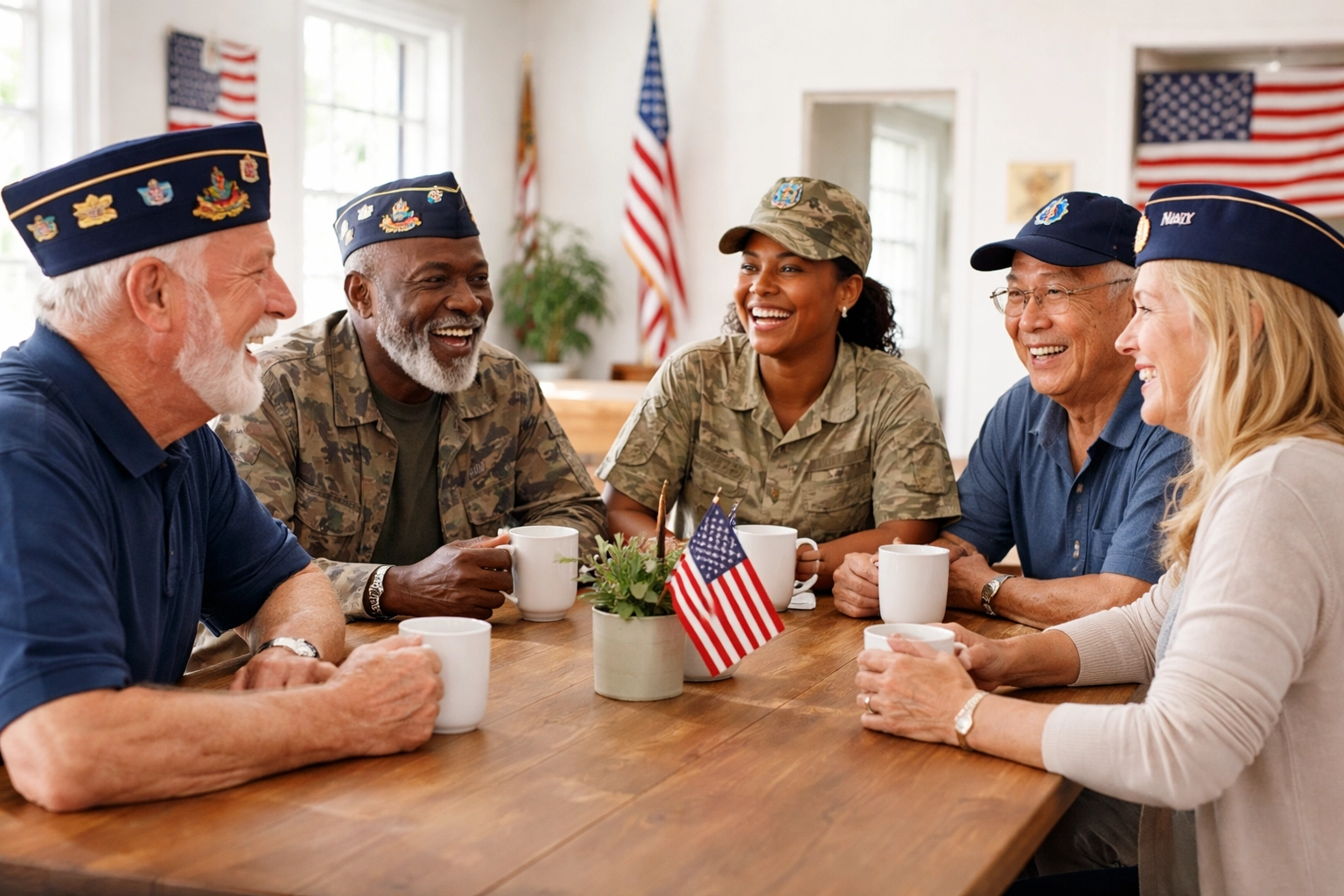
The 2025 National Convention in Tampa generated over $20.8 million in local economic impact, with approximately 9,000 members expected at the 2026 convention. These aren't the numbers of an organization on life support. These are the numbers of a movement that's thriving.
So Why Do People Think Veteran Organizations Are Dead?
It's a fair question. If the American Legion is growing, why does the "dying organization" myth persist?
Part of it comes down to visibility. You might not see Legion posts advertising on Instagram or going viral on TikTok. Veteran organizations tend to do their work quietly: advocating for benefits, supporting families, helping veterans in crisis: without seeking attention or applause.
Another part is generational assumptions. Some younger veterans assume these organizations won't understand their experiences in Iraq, Afghanistan, or other modern conflicts. They picture smoke-filled rooms and stories about "the way things used to be."
But here's what they're missing: American Legion posts have been adapting and evolving for over a century. The organization was founded in 1919, and it's survived the Great Depression, multiple wars, and massive societal changes. It's still here because it keeps meeting veterans where they are.
Why American Legion Posts Are More Vital Than Ever in 2026
Let's talk about what's really going on in 2026: and why your local Legion post matters more now than it has in decades.
1. The Veteran Mental Health Crisis Is Real
You've seen the statistics. Veteran suicide rates remain heartbreakingly high. Many veterans struggle with PTSD, depression, and the invisible wounds of service that don't show up on any medical scan.
American Legion posts are on the front lines of this fight. Through initiatives like "Be The One," Legion members are trained to recognize the signs of crisis and connect struggling veterans with resources. This isn't abstract policy work: it's neighbors helping neighbors, veterans supporting veterans, one conversation at a time.
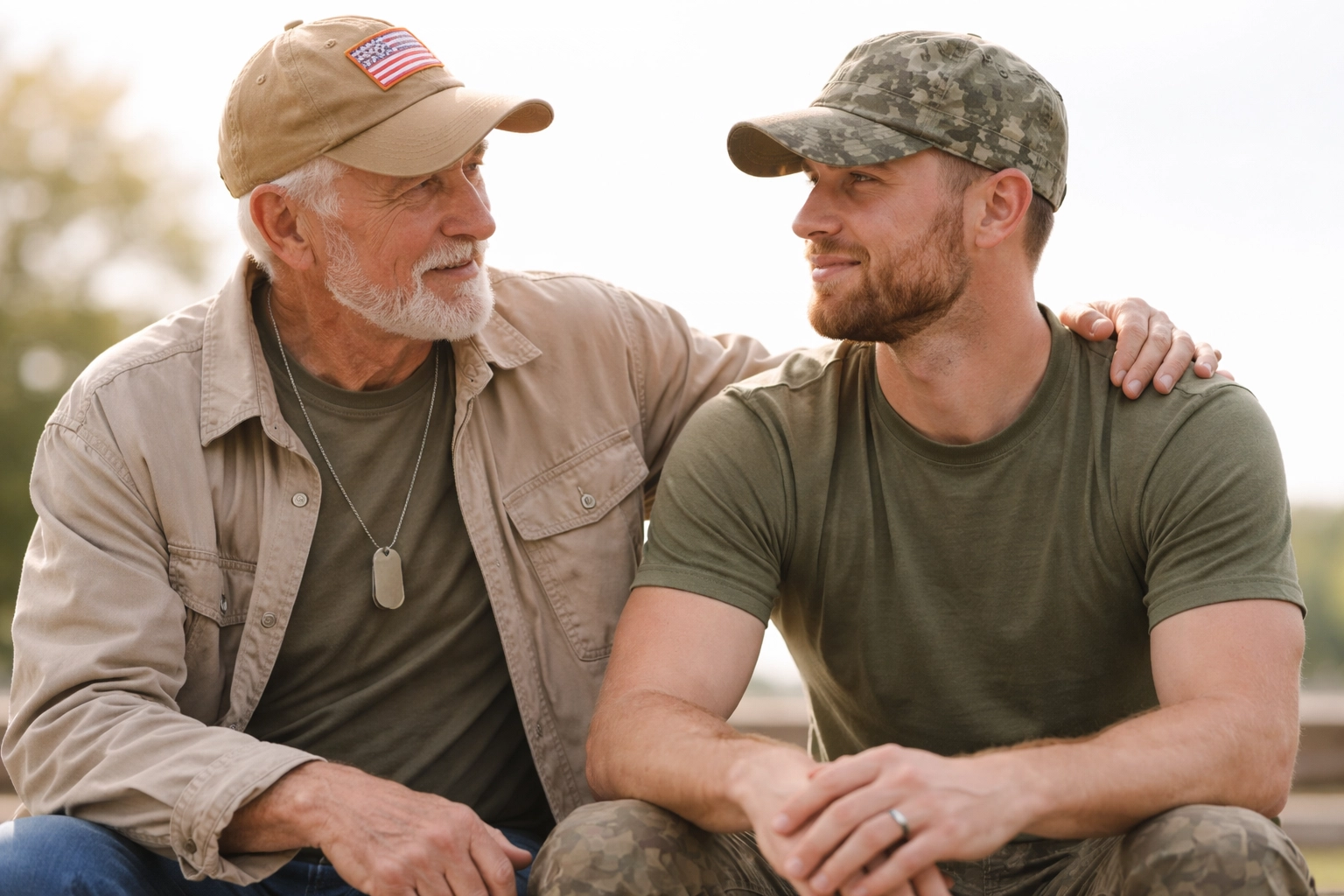
When you walk into a Legion post, you're walking into a room full of people who get it. They understand the weight of service. They know what it means to come home and feel like nobody around you can relate to what you've been through.
That kind of community isn't something you can replicate with an app or a support group that meets once a month on Zoom.
2. Advocacy That Actually Gets Results
Do you know who's fighting for your VA benefits? Who's lobbying Congress to improve healthcare for veterans? Who's pushing for better support for military families?
The American Legion has been doing this work since 1919. They were instrumental in creating the Veterans Administration (now the VA), the GI Bill, and countless other programs that have helped millions of veterans build better lives after service.
This advocacy continues today. When politicians try to cut veteran benefits or when bureaucratic red tape makes it impossible for veterans to access the care they've earned, the American Legion shows up. They have the relationships, the resources, and the track record to make things happen.
3. Community That Goes Beyond the Surface
Here's something that doesn't show up in membership statistics: the feeling of belonging.
So many veterans come home and feel disconnected. Their civilian friends don't understand their experiences. Their families try to help but can't quite bridge the gap. They feel like they're walking through life alone, even when they're surrounded by people.

American Legion posts offer something different. When you walk through those doors, you're surrounded by people who have worn the uniform. People who understand military humor. People who don't need you to explain why certain sounds make you tense up or why you always sit facing the door.
That kind of instant understanding is powerful. It's the foundation for real friendships, real support, and real healing.
4. Programs That Support the Whole Family
Military service doesn't just affect the person who serves. It affects spouses, children, parents, and extended families. American Legion posts recognize this reality and offer programs designed to support everyone who's been touched by military life.
From youth programs like American Legion Baseball to scholarship opportunities for children of veterans, these posts invest in the next generation. They understand that supporting veterans means supporting their families too.
What Does Your Local Legion Post Actually Do?
If you've never been inside an American Legion post, you might be curious about what actually happens there. Here's a glimpse:
Community events that bring veterans and civilians together
Fundraisers that support local veteran causes
Honor guard services for fallen veterans
Assistance programs for veterans facing financial hardship
Networking opportunities for veterans transitioning to civilian careers
Social gatherings where you can just relax and be yourself
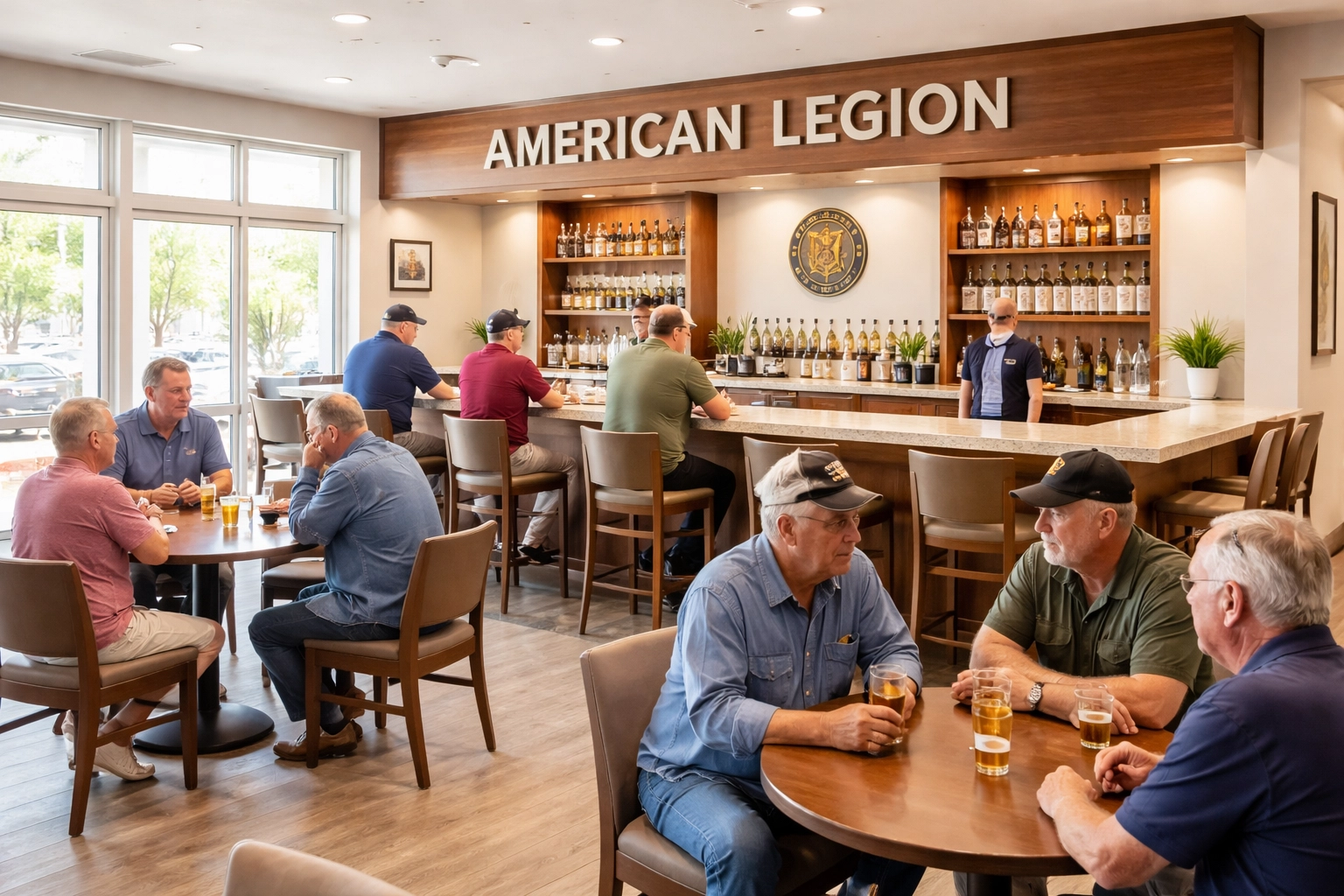
Some posts have bars where members can grab a drink and catch up. Some host live music, trivia nights, or family-friendly events. The specific offerings vary from post to post, but the underlying mission remains the same: serving veterans and strengthening communities.
How to Get Involved
Are you a veteran wondering if the American Legion is right for you? Here's how to find out:
Visit your local post. Just show up. Introduce yourself. See what the vibe is like.
Ask questions. What programs do they offer? What's the membership like? What causes do they support?
Attend an event. Many posts host open events where you can meet members without any commitment.
Consider joining. Membership dues are typically affordable, and the benefits: both tangible and intangible: are significant.
Not a veteran? You can still get involved. Many posts welcome community members who want to support veteran causes. You can volunteer, donate, or simply spread the word about the important work being done.
The Future Belongs to Those Who Show Up
Veteran organizations aren't dead. They're not even close to dead. But they do need the next generation of veterans to step up and carry the mission forward.
The American Legion has survived for over a century because each generation of veterans recognized the value of standing together. They understood that the bonds forged in service don't have to end when you take off the uniform.
In 2026, with veteran mental health in crisis and so many former service members feeling isolated and disconnected, that mission is more important than ever.
So the next time someone tells you veteran organizations are relics of the past, you'll know the truth. And maybe: just maybe: you'll be inspired to walk through those doors yourself.
We'd love to see you at American Legion Post 76. Come find out what community really means.
Comments