
Struggling to Connect Younger Veterans? 7 Proven Community Events That Bridge Generational Gaps
- American Legion
- Jan 26
- 5 min read

You've noticed it, haven't you? The older veterans gather at one end of the bar, sharing stories from Vietnam or Korea. The younger vets from Iraq and Afghanistan sit somewhere else, scrolling through their phones or nursing a beer alone. Two generations who've served the same flag, yet somehow feel worlds apart.
If you're trying to build a stronger veteran community at your local Legion post, you're probably wondering: How do we actually get these generations talking to each other? How do we create something that feels authentic, not forced?
Here's the good news: it's absolutely possible. And it doesn't require a massive budget or complicated planning. What it does require is understanding what brings people together and creating the right environment for connection to happen naturally.
Let's walk through seven proven community events that are working right now to bridge generational gaps among veterans.
1. Storytelling and Oral History Nights
There's something powerful about sitting in a room and hearing someone share their story. Not the sanitized version you'd tell a reporter, the real stuff. The funny moments, the hard moments, the things that still stick with you decades later.
Storytelling nights give older veterans a platform to preserve their legacy while giving younger veterans context they never learned in school. And here's what happens that you might not expect: younger vets start sharing too. They realize their experiences matter just as much.
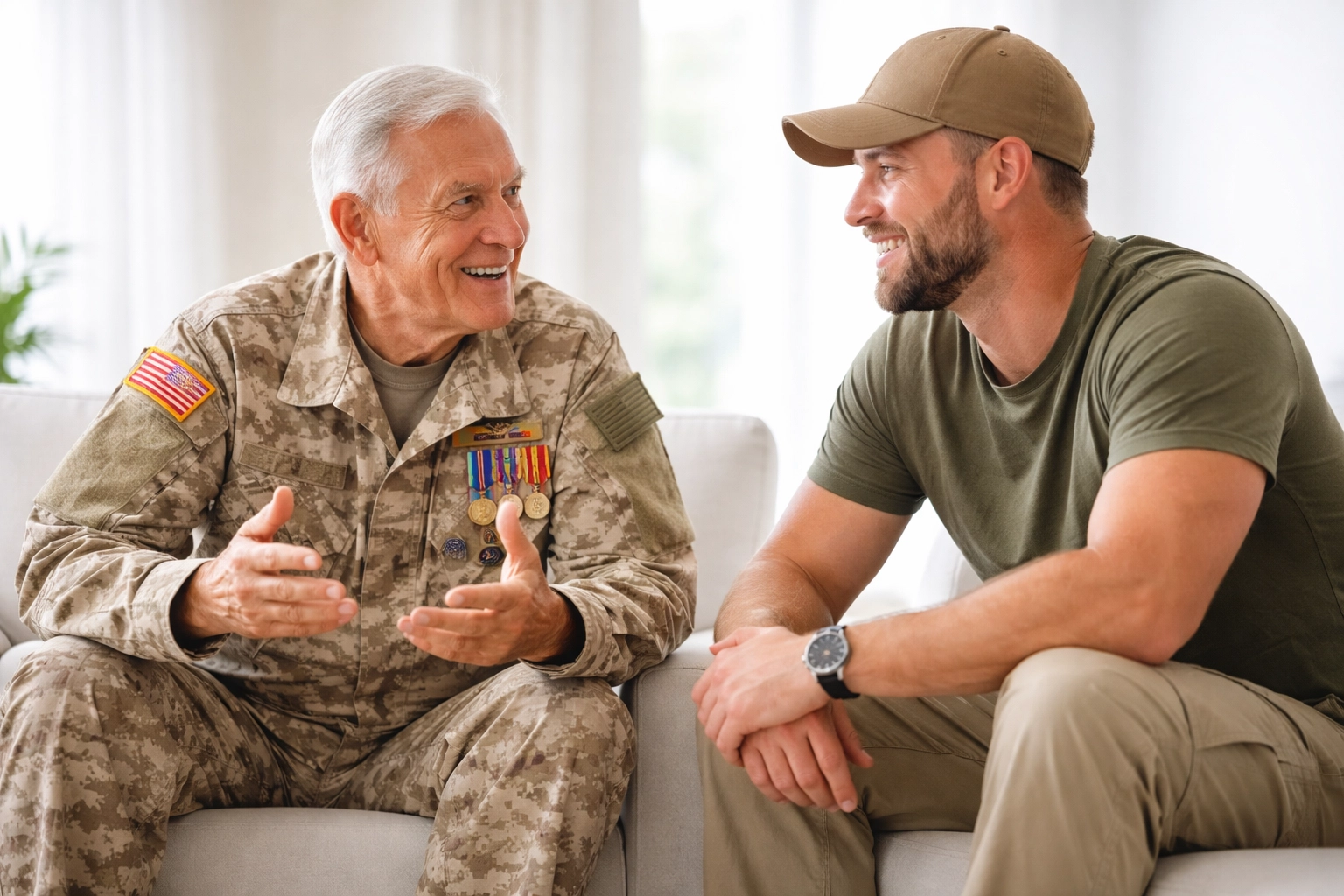
You can keep it simple. Set up a comfortable space, maybe some coffee or drinks, and invite a few veterans to share 10-15 minute stories. Record them if participants are comfortable, you're creating history that families will treasure for generations.
The key? Make it regular. Monthly storytelling nights build momentum and trust. People open up more when they know this isn't a one-time thing.
2. Mentorship Programs That Go Both Ways
When you hear "mentorship," you probably picture an older veteran guiding a younger one through career challenges or VA paperwork. And yes, that's valuable. But the best mentorship programs recognize that learning flows in both directions.
Older veterans have wisdom, connections, and perspective that comes from decades of life experience. Younger veterans understand modern technology, current military culture, and the unique challenges of transitioning in today's economy.
Pair them up intentionally. Create a structure, maybe monthly check-ins or coffee meetups, but let the relationships develop organically from there. You'll be amazed at the friendships that form when you simply create the opportunity.
3. Community Service Projects
Nothing bonds people faster than working side by side toward a common goal. When you're hauling lumber for a Habitat for Humanity build or serving meals at a homeless shelter, rank and era fade into the background. You're just teammates getting the job done.
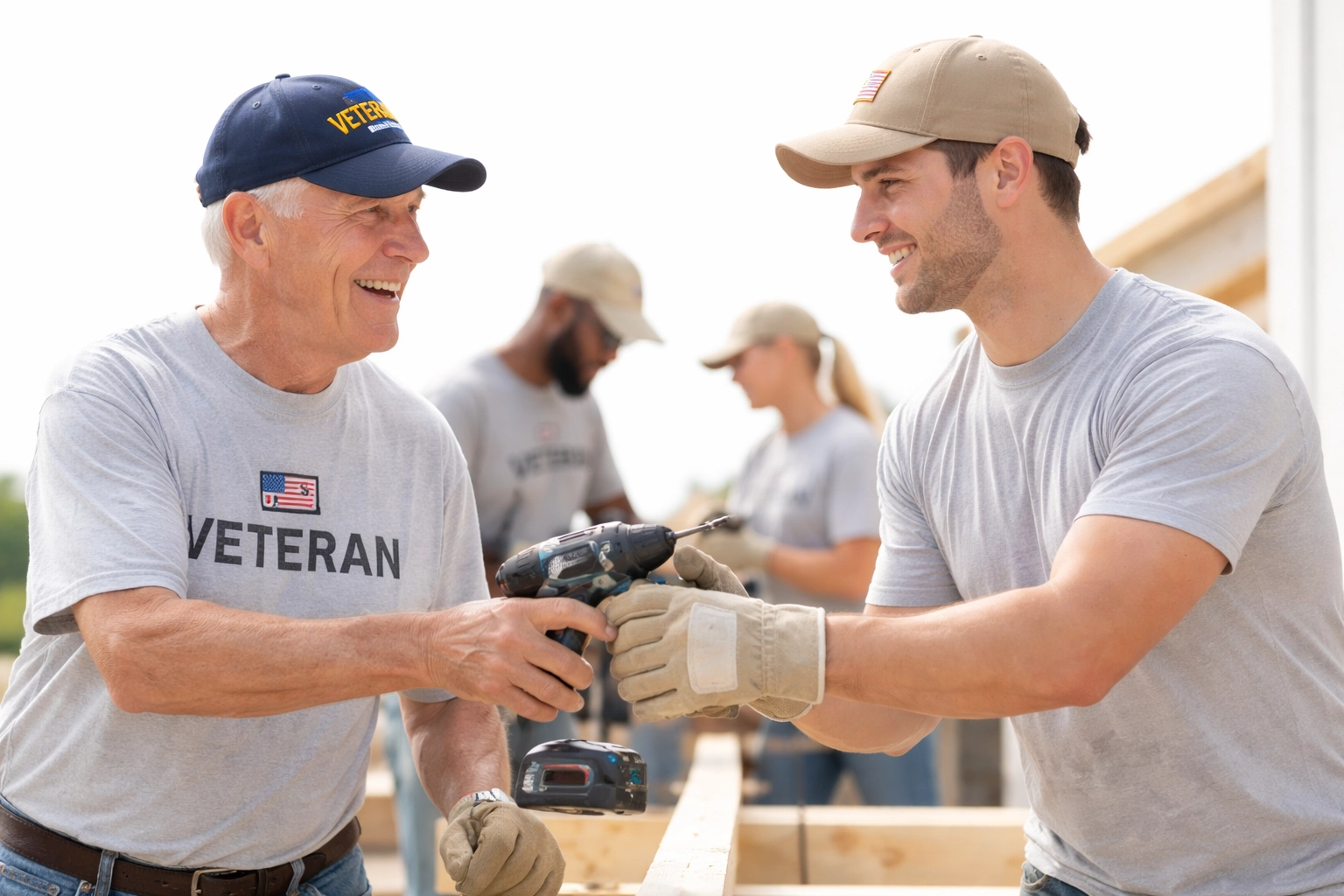
Community service projects also remind veterans why their service mattered in the first place. That sense of purpose, of contributing something bigger than yourself, doesn't have to end when you take off the uniform.
Try organizing quarterly service projects that appeal to different interests. Some veterans want physical work; others prefer organizing donation drives or tutoring kids. Variety ensures everyone can participate in a way that feels meaningful to them.
4. Casual Social Gatherings (Yes, They Actually Work)
Sometimes the simplest approach is the most effective. Regular social gatherings: cookouts, holiday parties, game nights, or just Friday happy hours: create low-pressure environments where connection happens naturally.
Here's the thing about casual gatherings: they remove the awkwardness of forced conversation. When you're flipping burgers or arguing about football, you're not thinking about generational differences. You're just hanging out with people who get it.
At American Legion Post 76, we've seen firsthand how these relaxed settings combat the social isolation so many veterans experience. Sometimes a veteran just needs a place to go where they feel understood: no agenda required.
The secret sauce? Consistency. A monthly cookout that happens rain or shine builds attendance over time. People start marking it on their calendars. They bring friends. Community grows.
5. Networking Events for Veteran Entrepreneurs
Here's an event type that appeals especially to younger veterans while giving older veterans a chance to contribute their business expertise: professional networking nights.
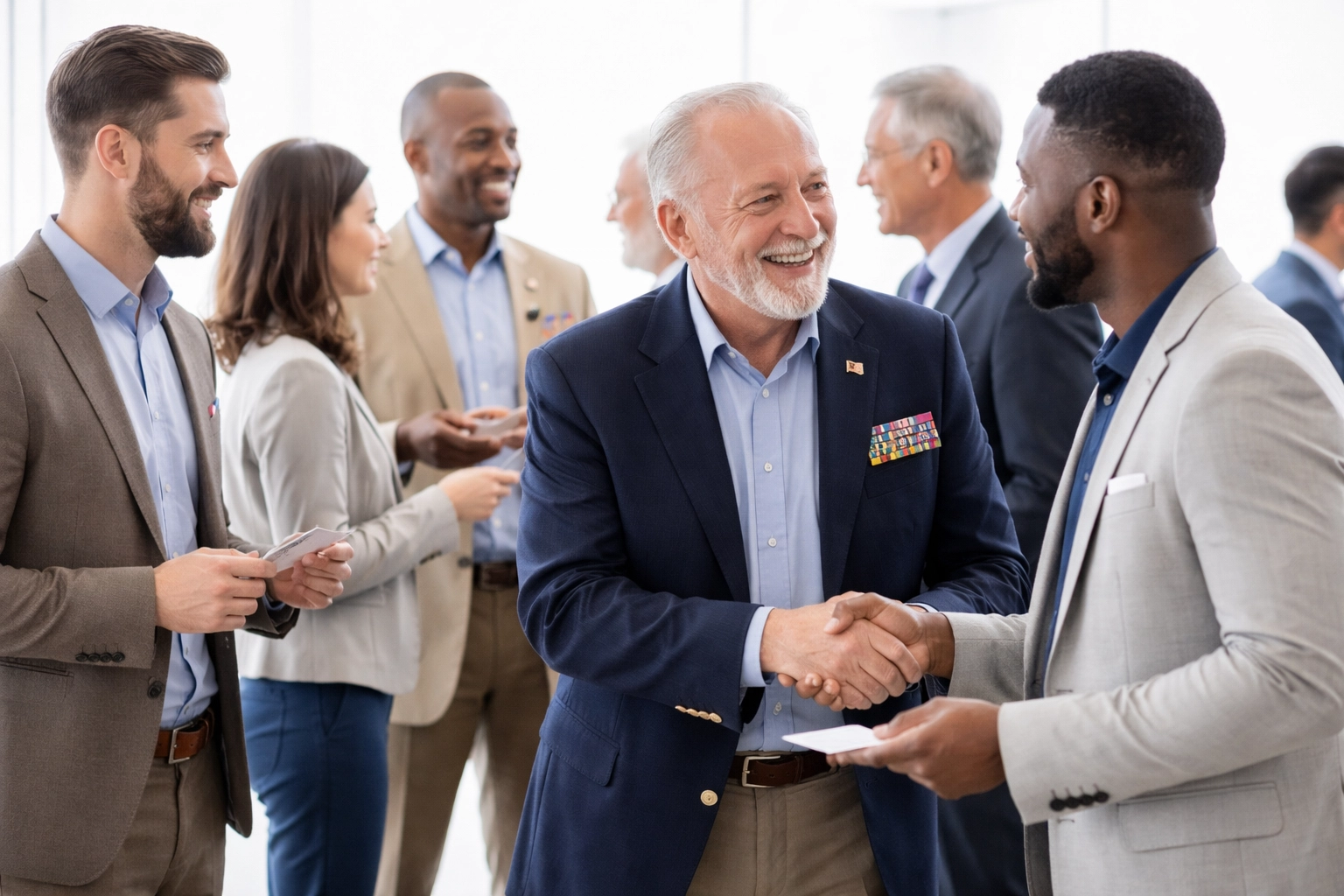
Many veterans leave service with entrepreneurial dreams but zero connections in the civilian business world. Older veterans who've built successful careers or businesses have exactly what these younger vets need: contacts, advice, and real-world wisdom about what works.
Structure these events with brief introductions, then let people mingle. You might invite a veteran business owner to speak for 15 minutes about their journey. Keep it informal enough that people actually talk to each other instead of just listening to presentations.
These events also attract corporate partners and community supporters who want to hire or support veteran-owned businesses. That's a win for everyone involved.
6. Educational Workshops and Discussion Groups
Some topics deserve deeper conversation than a happy hour allows. That's where workshops and discussion groups come in.
Think about the issues affecting veterans across generations: navigating VA benefits, managing mental health, transitioning to civilian careers, understanding legal rights, or even topics like financial planning and homeownership.
Workshops create structured environments where veterans engage on subjects that actually matter to their daily lives. And when a 25-year-old and a 70-year-old are both trying to figure out the same VA paperwork, suddenly age becomes irrelevant. They're problem-solving together.
You can also host discussion groups around shared interests: history, current events, books, or even movies. The format matters less than the opportunity for meaningful conversation.
7. Recreational and Cultural Activities
Not every veteran event needs to focus on "veteran issues." Sometimes the best connections happen when people are just having fun together.
Consider organizing trips to military museums, attending concerts or sporting events as a group, starting a Legion fishing club, or hosting creative workshops like photography or writing classes.
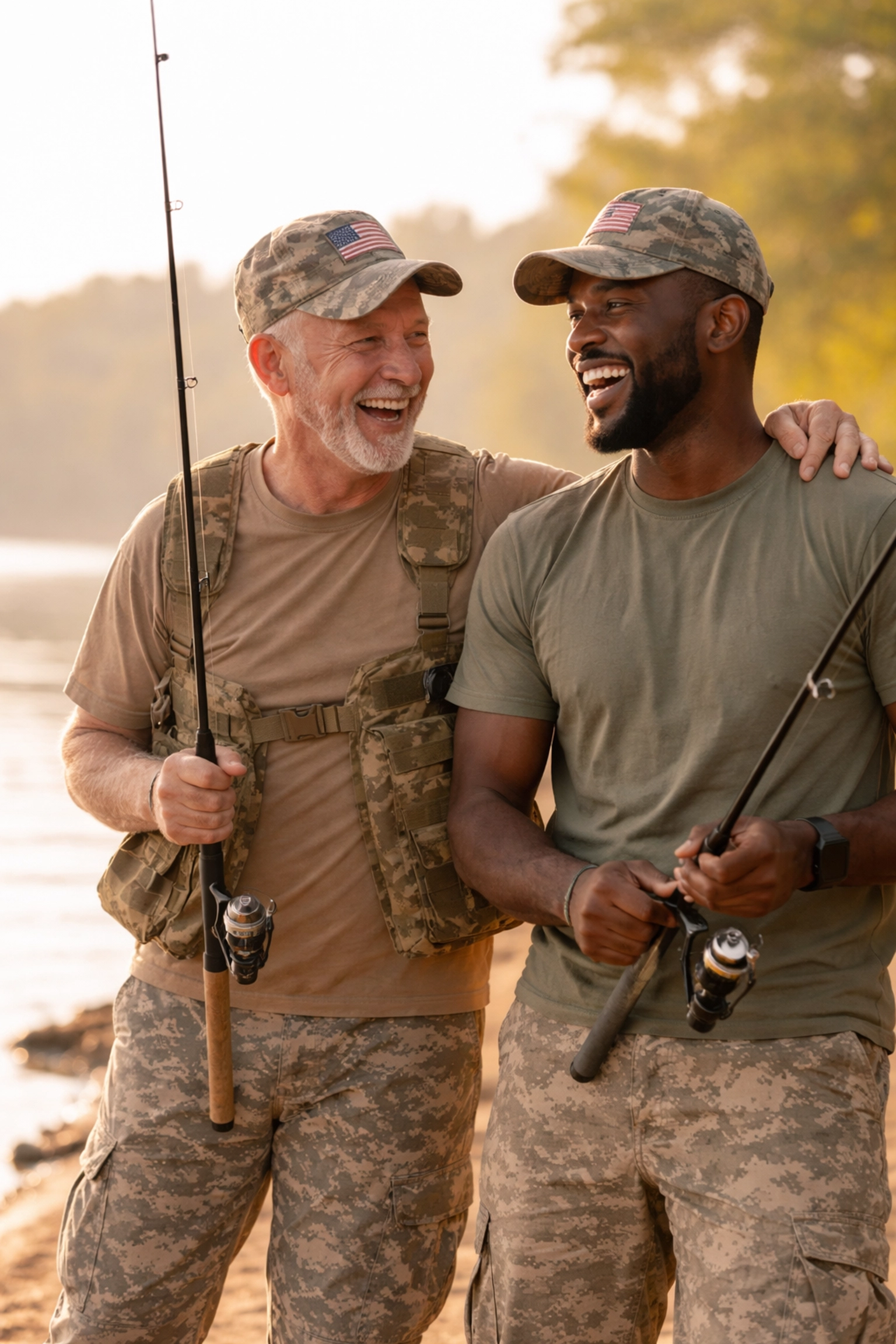
These activities give veterans permission to explore interests they might have set aside during service. And they create organic opportunities for generations to interact without the pressure of formal programming.
A Vietnam veteran teaching a young Marine how to tie fishing flies. A Gulf War vet and an Afghanistan vet debating which museum exhibit was most impressive. These moments build relationships that last.
The Real Secret: Consistency Over Perfection
Here's what all seven of these event types have in common: they work best when they happen regularly.
One great event creates a memory. Monthly great events create a community.
You don't need elaborate planning or huge budgets. You need commitment. Show up consistently, create welcoming spaces, and trust that connection will happen when you give it room to grow.
The generational gap between veterans isn't as wide as it seems. Underneath the different wars, different uniforms, and different slang, there's a shared understanding of service and sacrifice that transcends age.
Your job is simply to create the environment where that understanding can surface.
Ready to start bridging generational gaps at your local post? Pick one event type from this list and commit to trying it for three months. You might be surprised how quickly walls start coming down and friendships start forming.
If you're in our area, we'd love to see you at American Legion Post 76. We're building something special here; and every generation of veteran is welcome at our table.
Comments